Beit Maroun (Wilderness)
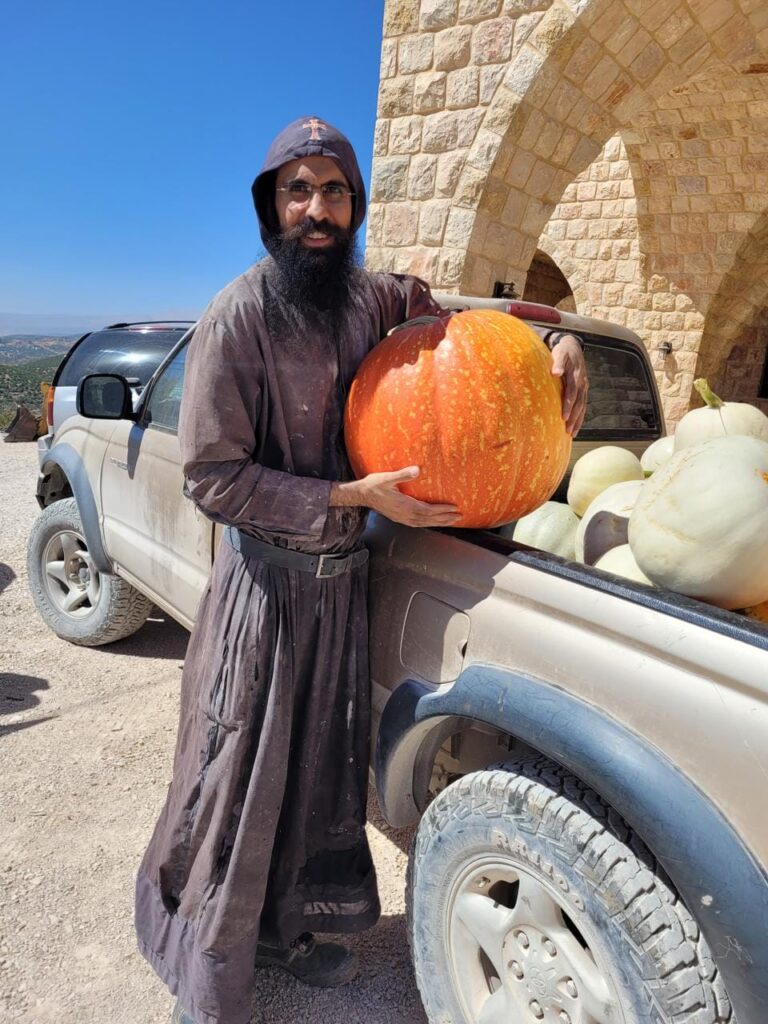
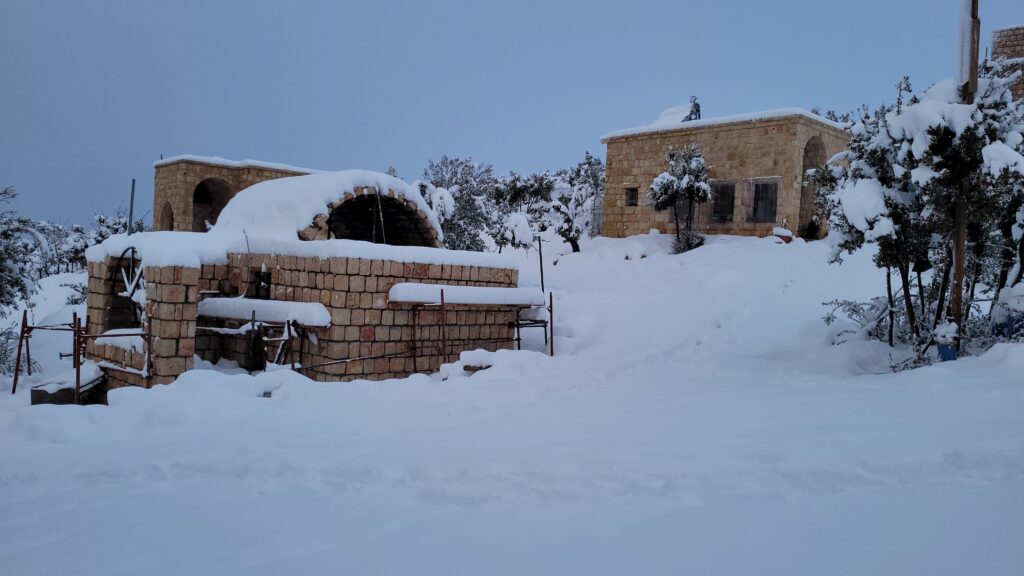
From its very beginning, the Holy Spirit has led this monastery to start its foundation in the wilderness, following the pattern of Saint John the Baptist who, before proclaiming the Word of God, grew in silence and solitude in the desert places. This sacred location is known as the hermitage land, for its entire structure is based upon individual hermitages for each monk, along with a church dedicated to the 350 Martyrs—disciples of Saint Maroun and a Chapel of the Resurrection for intimate prayer and adoration. Because Beit Maroun is a new monastic foundation, the Lord desires that it grow in silence, allowing the community to be firmly established and deeply rooted in contemplative life before expanding its mission. The Holy Spirit has providentially guided the monastery to begin precisely in this wilderness setting, making it the birthplace and spiritual heart of the entire congregation. The vision for this hermitage land is to construct thirty-three individual hermitages—corresponding to the years of Christ’s earthly life—where monks who have been thoroughly formed in wilderness spirituality can live the fullness of eremitical vocation, advancing from their progressive daily wilderness practice to permanent solitary contemplation, the true hermits who dedicate themselves entirely to unceasing prayer, rigorous asceticism, and intimate communion with God in the silence of the Lebanese mountains.
Btedhe
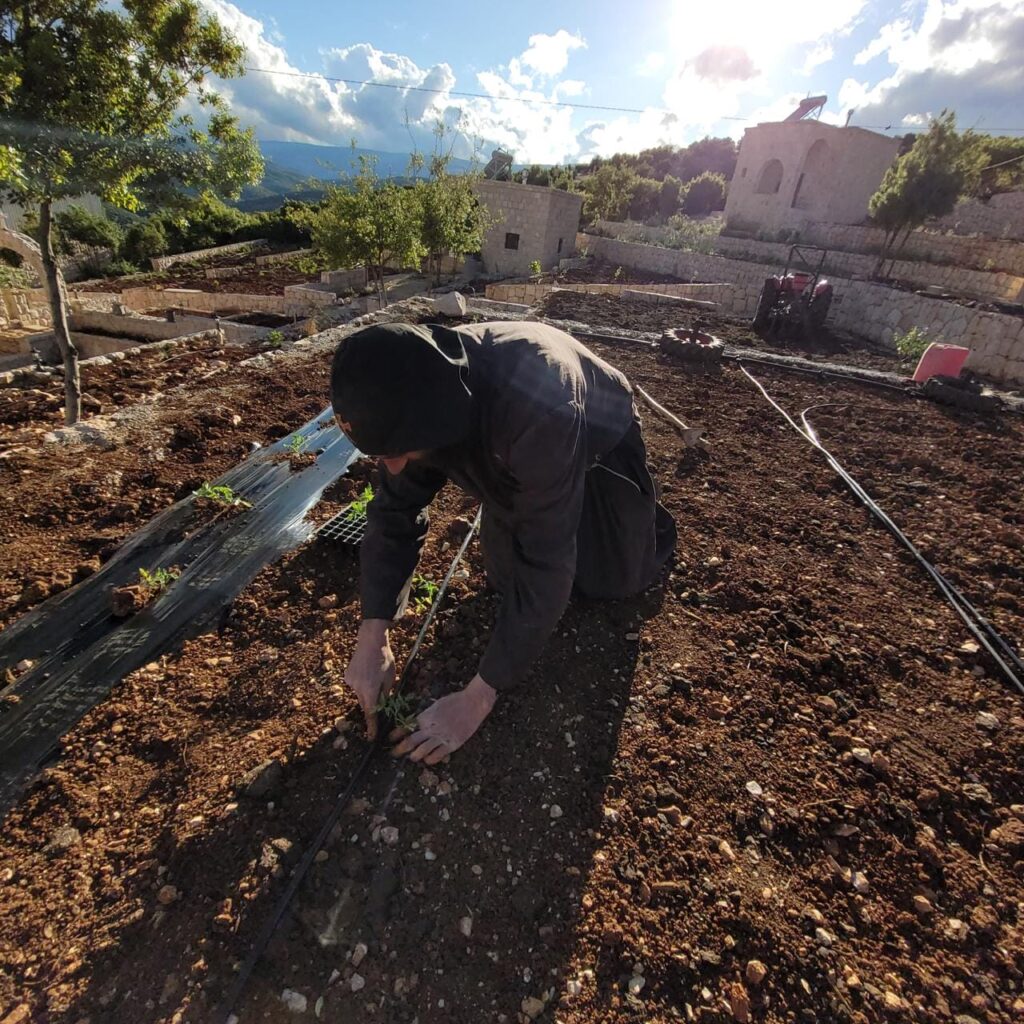
Btedhe is designated to become the mother monastery of the congregation, where the community will establish a complete monastic complex that takes the traditional shape and form of a cenobitic monastery, distinct from the wilderness hermitage land yet maintaining the same spiritual principles and progressive formation system. This central house will feature several distinct buildings to accommodate the various stages of monastic life: facilities for novices in initial formation, residences for those in temporary vows continuing their training, and accommodations for those in perpetual vows advancing toward spiritual maturity. Most significantly, Btedhe will also include thirty-three individual hermitages specifically reserved for monks who have pronounced their permanent vows, allowing them to live the contemplative dimension of their calling even within the structure of the mother monastery. The architectural plans and organizational structure of Btedhe look toward the future when the constitutional rules will be lived in their fullness, particularly the distinctive rhythm of four days as hermit and three days as missionary that defines the mature vocation of the Beit Maroun. In this mother monastery, the missionary life will be fully activated and coordinated—monks will gather after their four-day wilderness retreat to engage in pastoral ministry, evangelization, catechesis, spiritual direction, and apostolic works both within the monastery of Btedhe itself and throughout the surrounding region before returning to their hermitages for renewed contemplation.
Harissa
Harissa serves as a temporary rented residence for the community, a provisional dwelling place that meets an immediate practical need while the congregation searches for a permanent location to establish another house. This residence is strategically situated in close proximity to the university where brothers who have pronounced temporary vows and permanent vows are pursuing their theological studies, ecclesiastical formation, and academic education necessary for their future priestly ministry and apostolic mission. The Harissa location allows these student monks to maintain their monastic rhythm of prayer, community life, and ascetic discipline while simultaneously engaging in the rigorous intellectual formation required by the Church for ordained ministry and effective evangelization.
Contact us
Our community makes us unique. They have an energy that reverberates around them. Their mission in life is to ensure the wonder in the world is not overlooked.