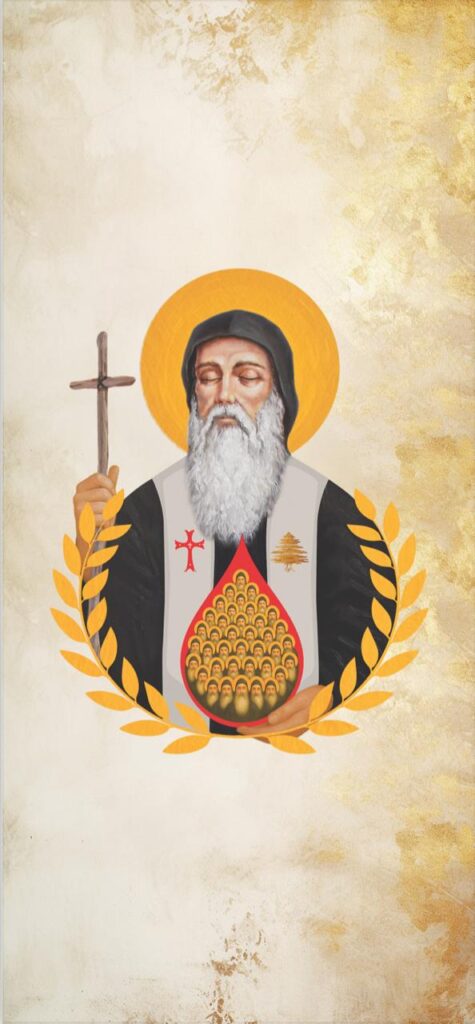
Meaning of our name
How we started
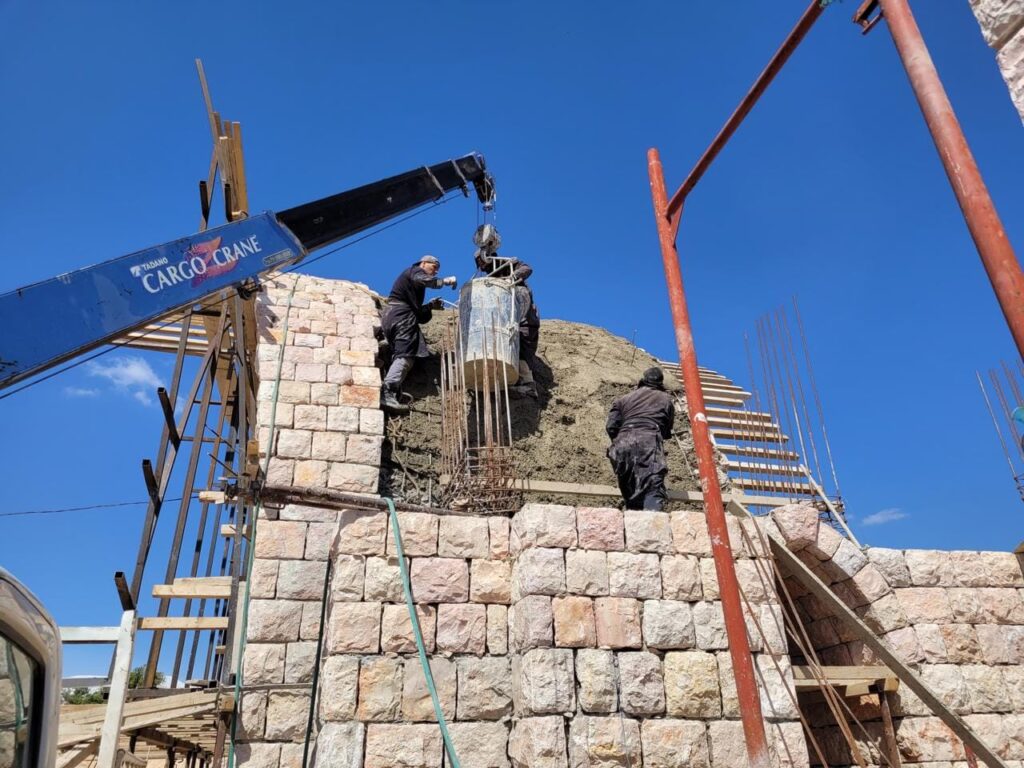
The congregation was founded with eparchial rights, on the 15th of May 2019 with the blessing of His Excellency Archbishop Hanna Rahme and currently has 20 brothers along with 3 of the founding Fathers. It is under the direct supervision of the Bishop of the Maronite Eparchy of Baalbeck – Deir El Ahmar.
Ecclesiastical affiliation
Ecclesiastical Belonging of a Maronite Monastery with Eparchial Rights
A Maronite monastery with eparchial rights within the Catholic Church has a specific ecclesiastical belonging that reflects both its autonomy and its integration within the Church’s hierarchical structure.
Establishment and Authorization
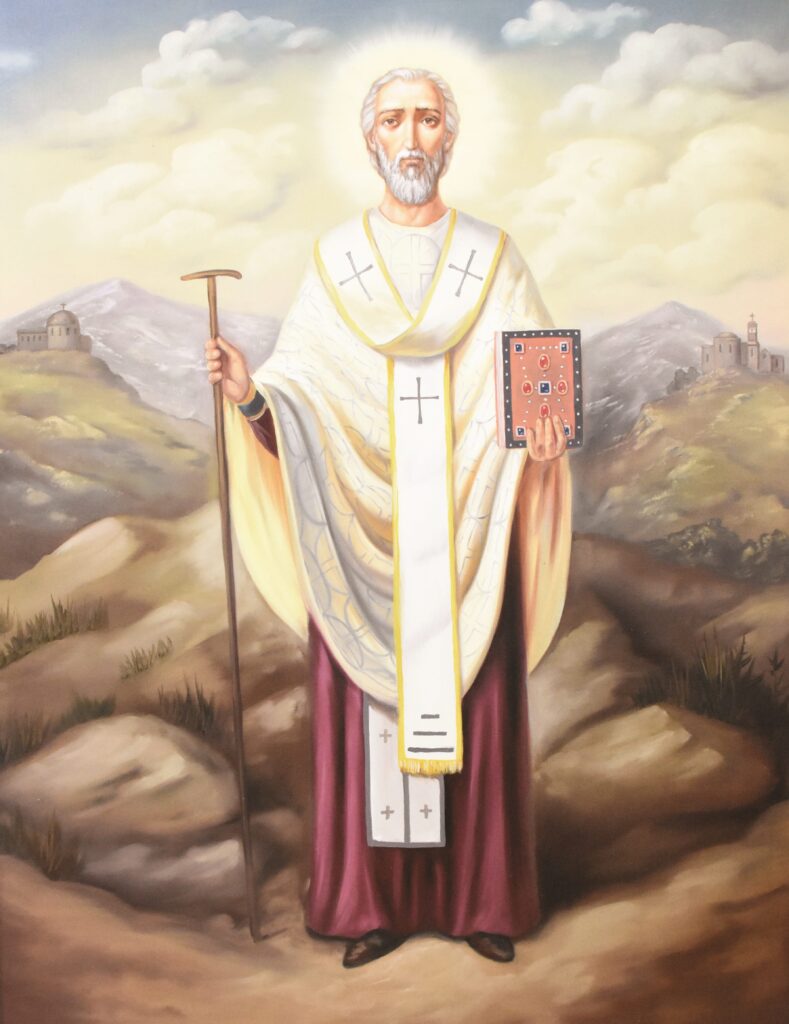
The monastery was established with the approval of the local eparchial bishop (Hanna Rahme). This means that the bishop of the eparchy where the monastery is geographically located gave his consent and blessing for its foundation, making him the ecclesiastical authority who authorized its existence.
Ecclesiastical Belonging
The monastery belongs to the Maronite Catholic Church, one of the twenty-three sui iuris Eastern Catholic Churches in full communion with Rome. Its local jurisdiction is the eparchy (diocese) where it is geographically located, and its immediate superior is the local Maronite eparchial bishop who authorized its establishment. The monastery exists in patriarchal communion under the spiritual authority of the Maronite Patriarch of Antioch, and maintains universal communion with the Pope and the entire Catholic Church.
The Meaning of “Eparchial Rights”
Despite having eparchial rights, which grant the monastery a degree of autonomy, it belongs to the local eparchy and operates under the bishop’s jurisdiction and pastoral care. The monastery maintains its own internal governance according to its approved constitutions and follows Maronite liturgical and canonical tradition. While it may enjoy certain exemptions or privileges, it ultimately remains under episcopal authority, preserving the balance between monastic independence and ecclesial communion.
Council of Servants
According to the constitution, the Council of Servants is the highest executive authority in the religious community of the House of Maroun Servants of the Cedar of Lebanon. It consists of five members: the First Servant (General Superior), who represents the entire community before all ecclesiastical and civil authorities, and four assistant servants responsible for spiritual matters, formation, mission/social affairs, and material/logistical affairs respectively. The First Servant, along with his council members, is elected for a renewable four-year term by the General Assembly. This council meets weekly under ordinary circumstances and holds authority over all monasteries and monks, with the power to make decisions that require approval from two-thirds of its members. The council oversees the implementation of laws, manages spiritual direction of the community, coordinates formation programs, supervises material assets, and ensures that all activities align with the monastic charism and mission of evangelization.